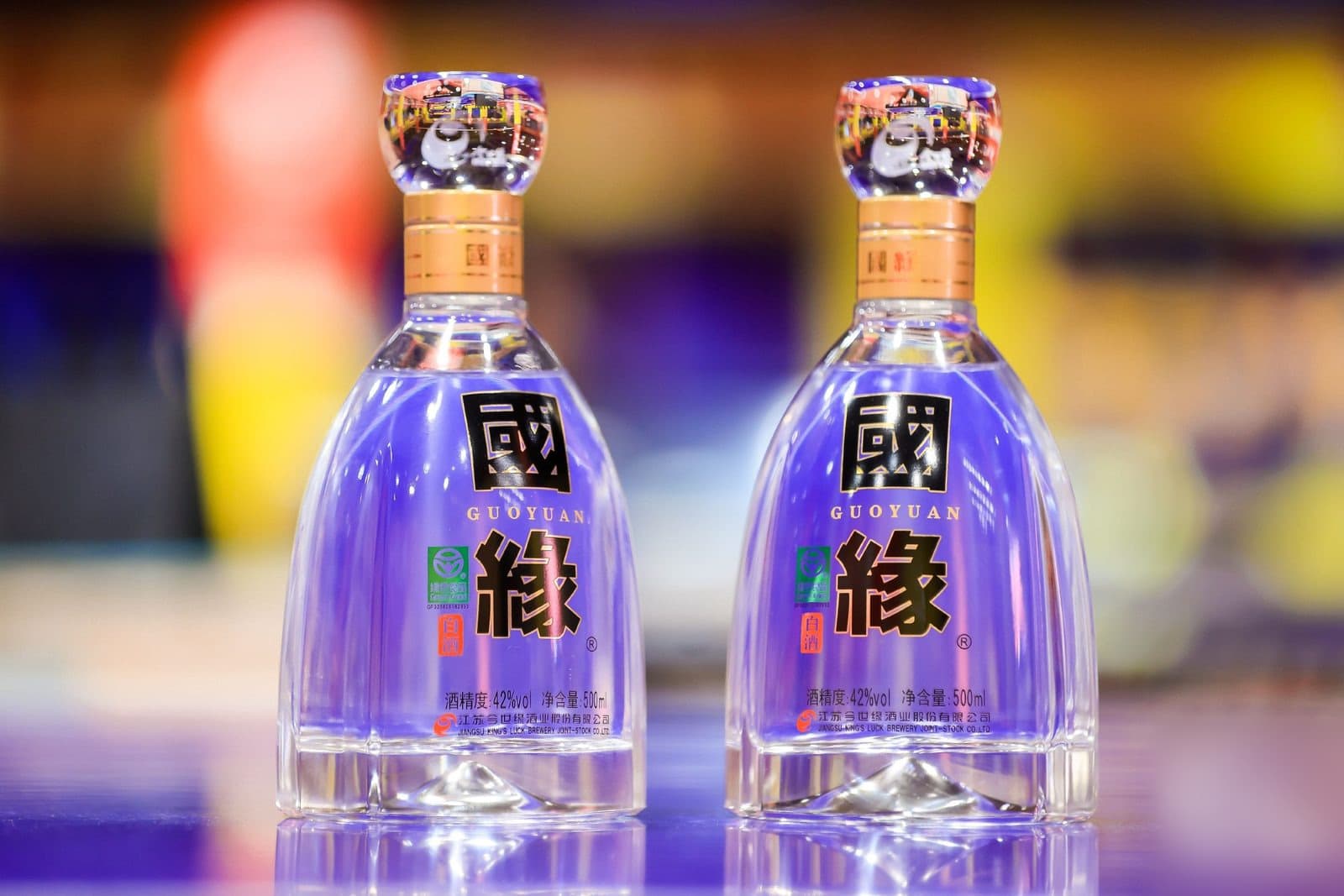
Baijiu is the most-drunk spirit on earth — and the least known beyond China. Four thousand years of craft, a home market no other spirit category can match, and a generation now travelling with its own culture: the ingredients for a global breakthrough are already in place.
A spirit the world hasn't met yet
Few categories of drink carry this much history and this little recognition. Baijiu is distilled in every province of China and sold in volumes no other spirit approaches, yet a drinker in London, Berlin or Los Angeles can go years without meeting a bottle. That gap — between the world's most consumed spirit and its least understood — is the opportunity this site exists to close.
The advantages are structural
Baijiu does not have to invent a story. It has four thousand years of recorded craft, a genuinely distinct production method — whole grain fermented solid with qu, then matured in clay — and regional traditions as varied as the country itself: sauce aroma from the Maotai basin, strong aroma from Sichuan and Jiangsu, light aroma from the north, blended aroma from Anhui. Nothing about its appeal needs to be manufactured.
Chinese food travelled first
Spirits follow cuisine. Almost every city in the world has already made room for Chinese cooking, and the diners who order braised pork or mapo tofu are the natural first audience for a baijiu list. The pairing is not an abstraction: strong aroma against rich braised dishes, light aroma with steamed fish, sauce aroma with slow-cooked meat.
The barriers are real
Regulatory hurdles are significant: baijiu crosses borders only through licensed importers and distributors, with certificates of origin, labelling review and export licensing on the Chinese side. That is why Baijiu House works with compliant trade partners rather than selling directly — and why serious distribution partners, not shortcuts, decide who wins a market.
A seat at the global table
The craft cocktail movement has already made baijiu's aromas fashionable in progressive bars, where bartenders treat it as an ingredient with real character rather than a novelty. The next wave is wholesale: restaurants, bars and retailers building baijiu lists deliberately, guided by aroma family and by the food on their own menus. The partners who learn baijiu early will be the ones pouring it when the category arrives.